

















The mining industry is a highly complex field in terms of its equipment, risks, safety requirements and working conditions. Installing and maintaining equipment in this industry is also very expensive.
A large share of operating costs is related to maintenance. Mining companies spend 30% to 50% of their annual operating expenses on equipment maintenance.
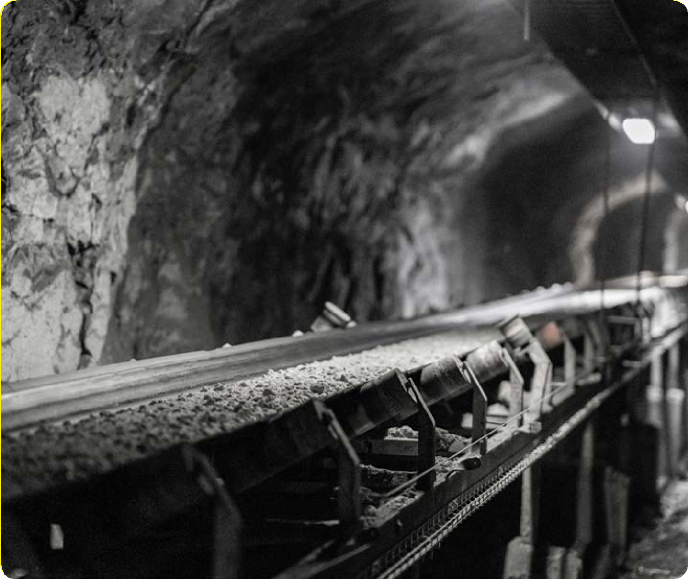
Conveyor belt systems make up a significant part of a mine’s maintenance costs. In almost all mining operations, conveyor belts are a single point of failure. In operations that depend on critical conveyors, the alternatives to unexpected downtime are either expensive, inefficient or non-existent.
In the highly competitive mining industry, increasing equipment reliability and reducing maintenance costs are critical differentiators for companies. A conveyor belt condition monitoring system can help companies achieve these goals by making more effective use of the maintenance budget.
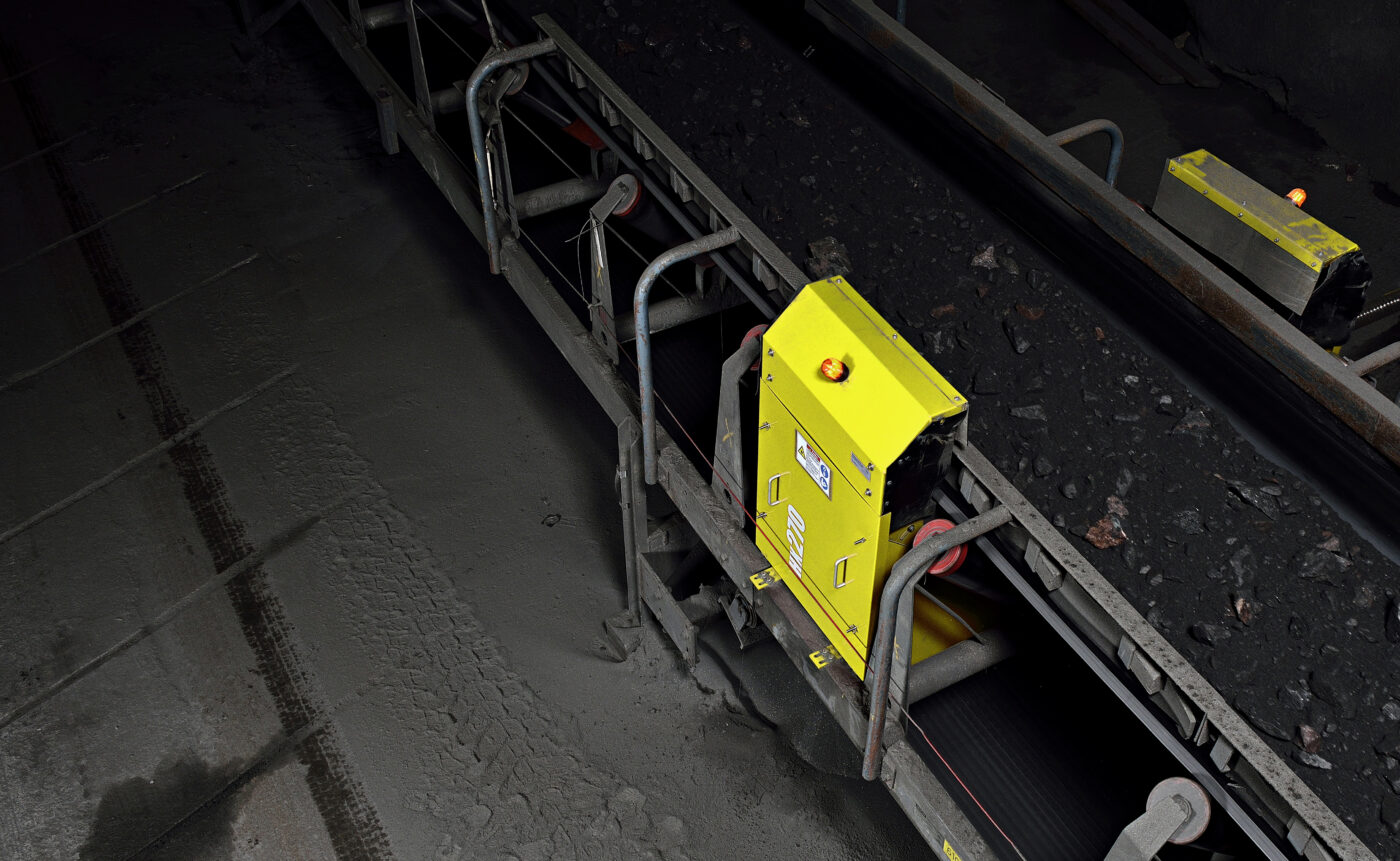
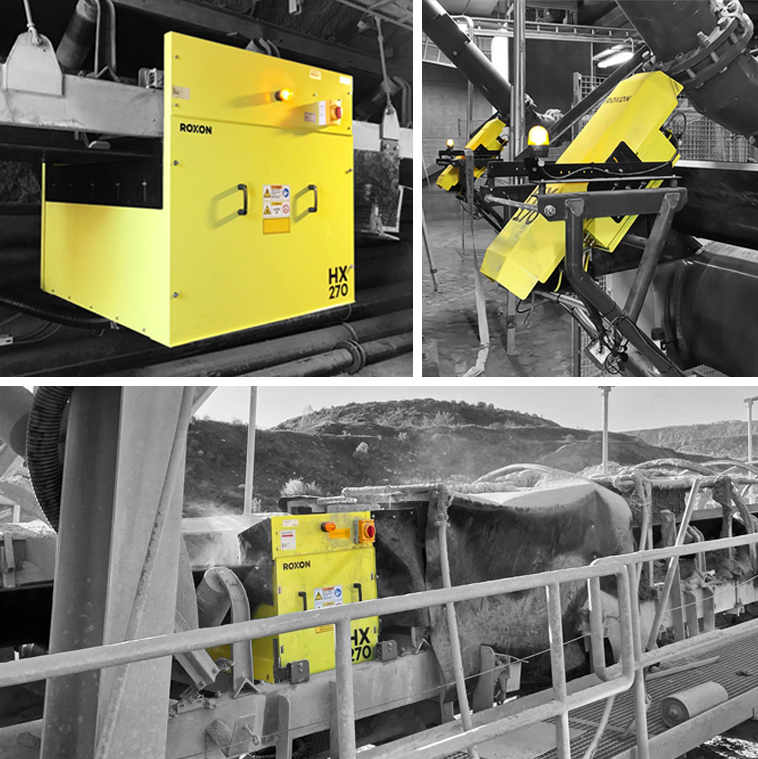
A conveyor belt condition monitoring system is a tool that continuously monitors the health of a conveyor belt in real time, with self-diagnosis and reporting capabilities. Using 3D scanning and measurement methods, it fully automates the condition-based maintenance process.
This system is much more proactive than traditional preventive maintenance systems and requires fewer resources.
Condition-based maintenance has many other benefits as well. Let’s take a look at some of them.
Mining equipment is built to last. Manufacturers use high-quality components suitable for heavy duty. However, this equipment needs timely maintenance for a satisfactory service life.
Condition-based maintenance ensures that maintenance is carried out when it is needed rather than at fixed intervals. Such timely maintenance prevents the belt from running damaged for long periods and extends its life.
At first, some companies preferred manual inspection to assess belt health. However, this method was both time-consuming and costly. It also sometimes led to errors, causing serious belt failures. Since 2008, the focus has shifted to more reliable automated systems with a lower margin of error.
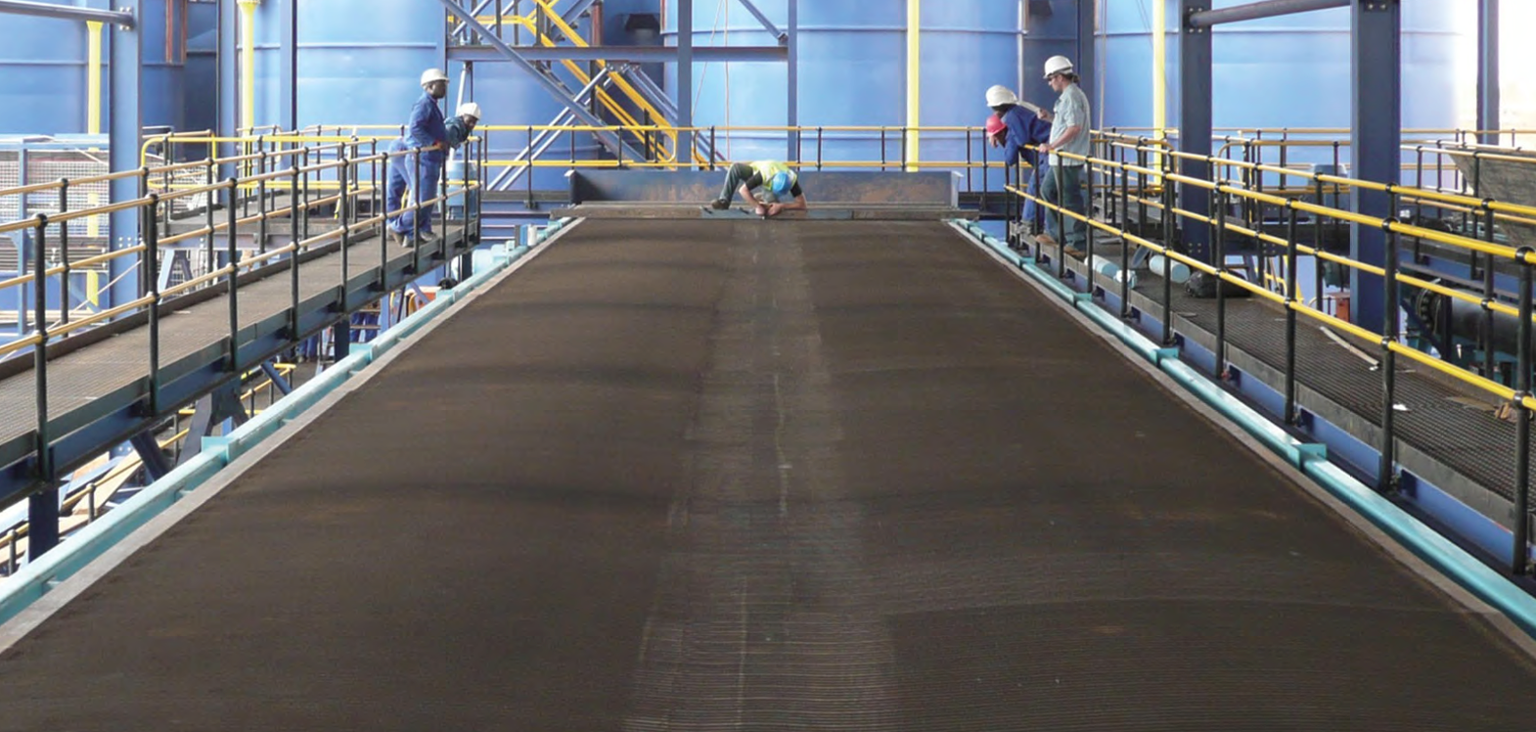
A conveyor belt condition monitoring system reports critical and non-critical damage on the belt in real time. The system performs continuous fault analysis of belt conveyor systems and scans both sides of the belt — at loading and transfer points — to report inconsistencies with minimal delay.
When a critical fault is detected, the system stops the conveyor immediately. Non-critical damage triggers an alarm in the control room, but the belt is not stopped. This minimizes costly downtime without risking belt failure.
Conveyor belt condition monitoring reduces maintenance costs in many ways. First, it eliminates the need for extra staff to assess belt health. These systems work 24/7 and require only a small team for supervision.
In addition, since the belt is scanned during operation without interrupting material flow, downtime-related costs are eliminated.
Emergency maintenance needs are also eliminated, and this type of maintenance is very expensive in terms of both personnel and spare parts.
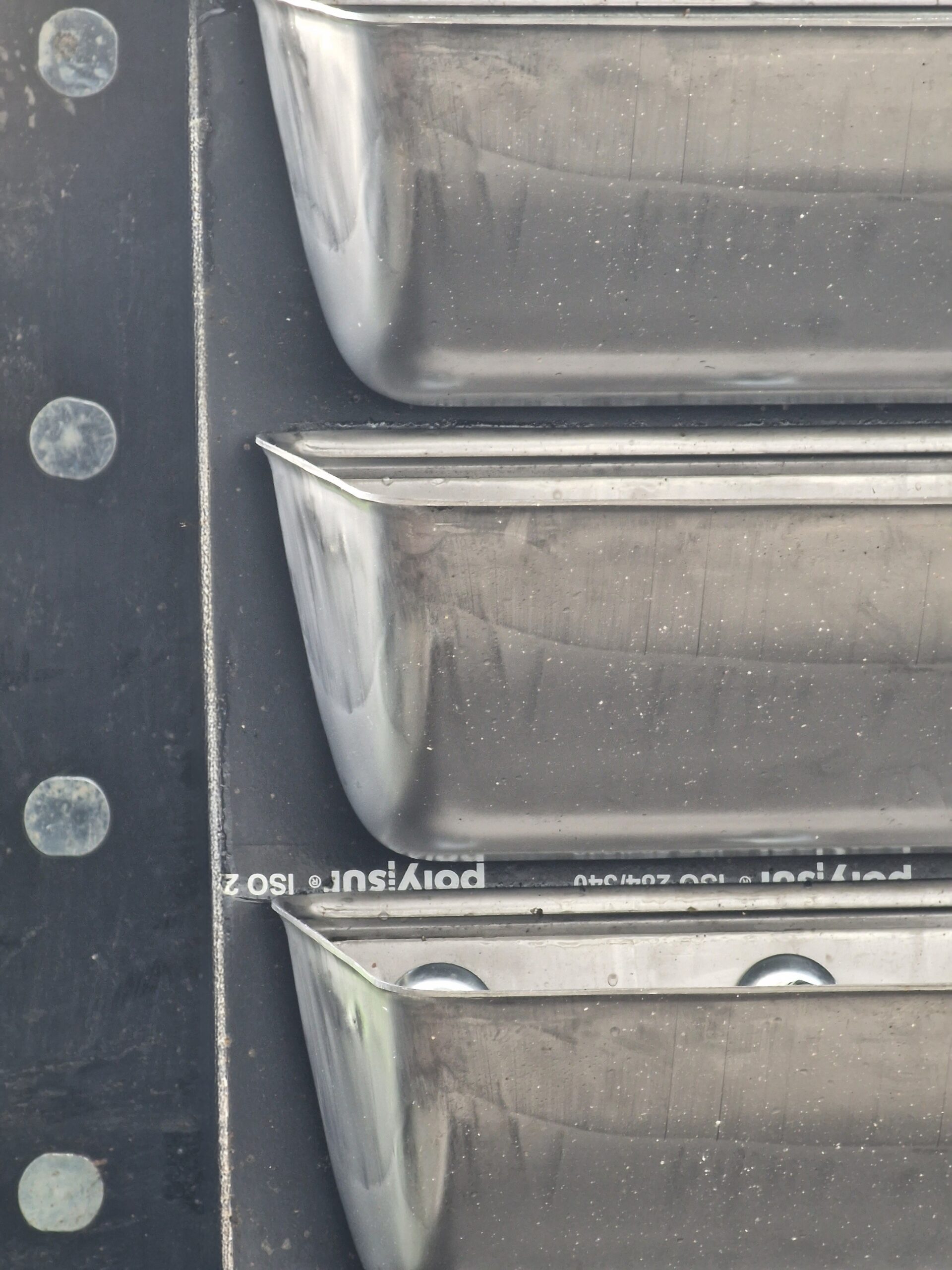
Furthermore, a spare belt is needed on site for fast service. Storing belts is costly due to space, temperature and humidity requirements. If the spare belt is not used within 5 years, it may need to be replaced because it weakens. For this reason, storing conveyor spares has a negative impact on profitability.
An online monitoring system can reduce the costs of purchasing and storing conveyor spares.
Catastrophic belt failures can lead to many types of losses. A failed belt can drop material onto workers, machines or hard-to-reach areas. Such failures cause injuries, equipment damage, loss of life, financial damage, loss of reputation and loss of time.
Proper belt condition monitoring increases occupational safety. Even the smallest faults trigger an alarm in the control room. The operator can pass safety-related information to staff working near the conveyor line.
Maintenance carried out after a failure has a negative impact on a mine’s profitability. Productivity drops because time and money go into repairing the failed equipment and broken parts.
Mines are known to earn hundreds of thousands of dollars per hour. However, the conveyor system is a single point of failure, and when it stops, production stops completely.
A condition-based maintenance system alerts maintenance teams to upcoming maintenance needs, so that the conveyor system stops only when it is really necessary. This is even more effective than planned maintenance, because during planned maintenance the belt has to be stopped even if no problem is found, which leads to a loss of output.
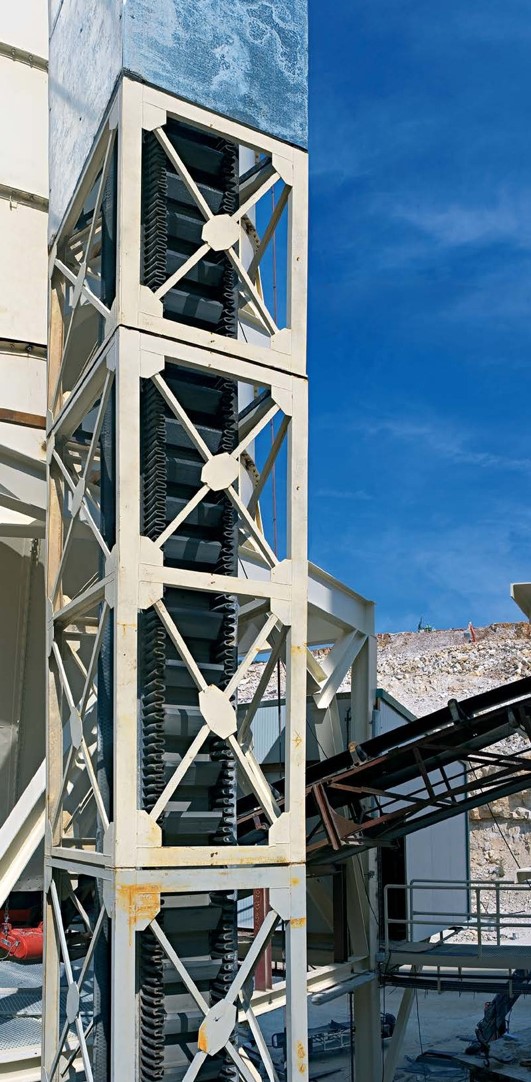
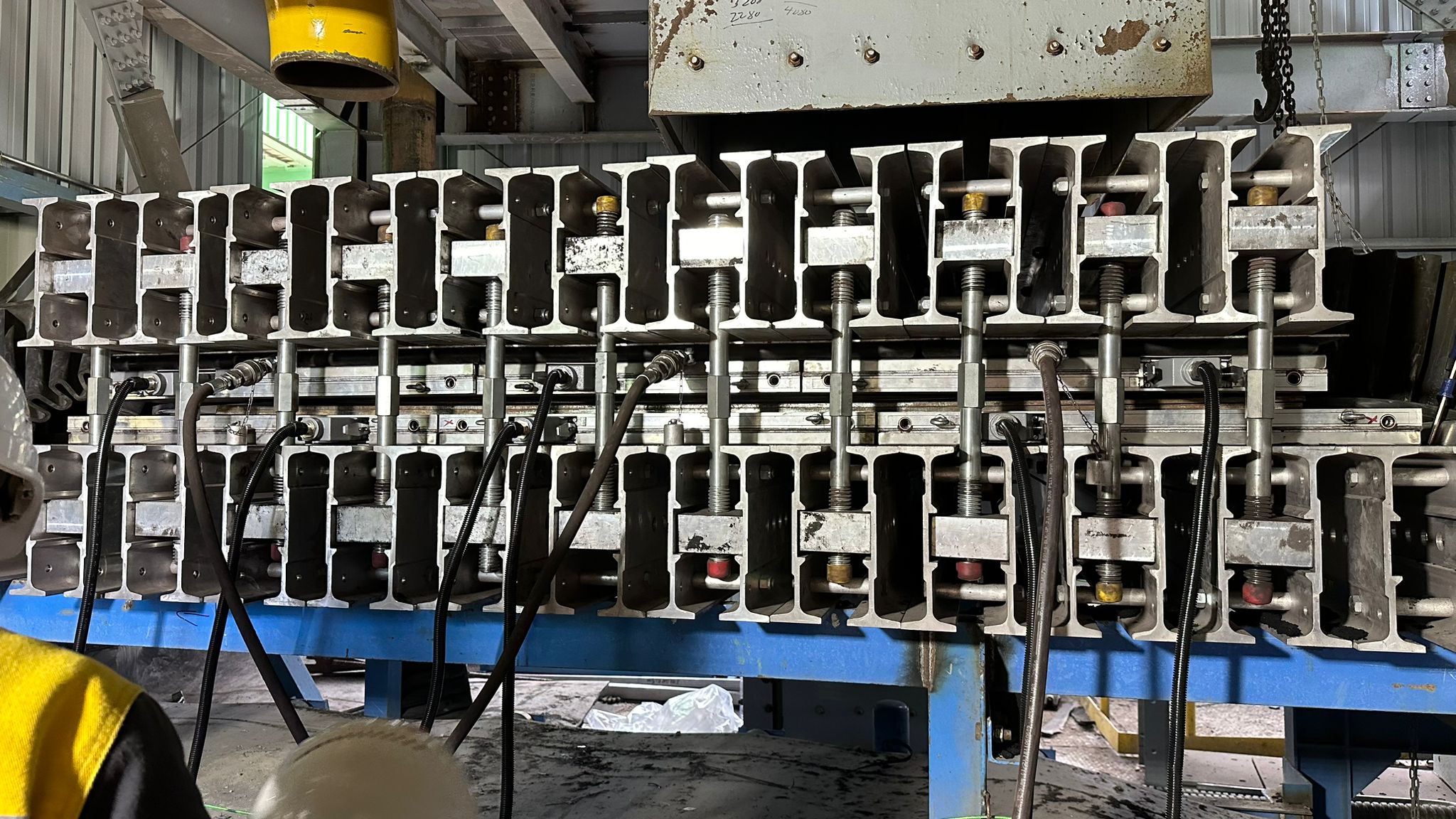
A proactive maintenance approach offers benefits that go far beyond reactive or even preventive maintenance. Its effects are wide-ranging and increase productivity in many ways. A conveyor belt condition monitoring system can be used with all types of flat belts (fabric or steel cord).